
Tristan Name Meaning Bible | Spiritual Roots and Symbolism
The name Tristan carries a rich tapestry of history and significance, woven intricately into biblical narratives and cultural lore. Understanding its meaning can deepen our appreciation for the stories tied to this name and how it resonates through generations.
This article will explore the Tristan Name Meaning Bible and origins of the Tristan name, offering insights that can inspire parents searching for meaningful names for their children. By delving into the historical and spiritual dimensions associated with Tristan, readers will gain a clearer perspective on the name’s legacy and its relevance today.
Tristan Name Meaning Bible
The name Tristan has roots in both Celtic and Latin traditions, offering rich layers of meaning. One popular interpretation links it to the Celtic word “drystan,” which means “tumult” or “outcry.”
This connection may evoke images of a passionate spirit, embodying both courage and a rebellious nature. Another angle comes from the Latin word “tristis,” meaning “sad” or “sorrowful,” hinting at a deeper emotional intelligence often found in those who carry the name.
Etymology and Historical Origins of Tristan
The story and name have transcended cultures, appearing in various forms throughout European literature, from Arthurian legends to operas. Each rendition enriches Tristan’s narrative, making him a symbol of enduring passion and tragedy.

The name “Tristan” originates from the Latin word “tristis,” meaning “sad” or “sorrowful.” This reflects the character’s tragic love story, intertwining joy and heartbreak in literature.
Some theories suggest a Celtic background, linking “Tristan” to the Welsh word “drystan,” which has ties to the meaning of “tumult” or “noise.” This associates the name with the chaotic emotions surrounding love and conflict.
Tristan is best known from the medieval romance “Tristan and Isolde,” where he emerges as a chivalrous knight, embodying both loyalty and love. This tale has inspired countless adaptations, illustrating timeless themes of devotion and sacrifice.
Is Tristan Mentioned in the Bible?
While Tristan is known from the Arthurian legends and the tale of “Tristan and Isolde,” he doesn’t appear in biblical texts. His story is rich in romance and tragedy, representing themes of love that transcend cultural boundaries.
Despite his absence from Scripture, Tristan embodies qualities that resonate with biblical narratives — loyalty, sacrifice, and the struggle against fate. These themes are at the core of various biblical tales, reminding us how literature can echo spiritual truths.
Tristan’s legacy has influenced countless works of art and literature. His story invites readers to explore how non-biblical characters can still embody virtues found in the Bible, illuminating our understanding of love and sacrifice. This dynamic shows that even outside sacred texts, powerful messages can thrive and inspire.
Spiritual Significance of the Name Tristan
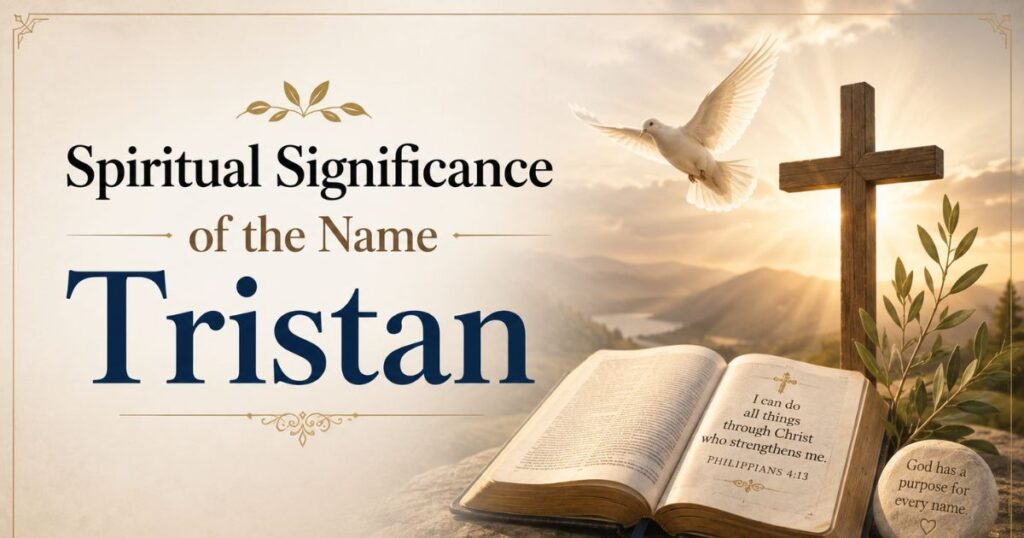
The spiritual significance of the name Tristan reveals layers of meaning that inspire and connect us deeper to our own journeys.
- Connection to the Elements: The name Tristan is often associated with nature, symbolizing strength and resilience. Those named Tristan may feel a strong bond with the earth, guiding them towards a path of grounding and stability.
- Inner Harmony: Tristan carries an essence of balance, encouraging harmony between the heart and mind. Individuals with this name often seek to align their emotional depth with their logical thinking, creating a sense of peace in their lives.
- A Journey of Love: Rooted in tales of romance, the name Tristan represents love’s transformative power. This connection serves as a reminder of how love can elevate the spirit and lead one toward profound joy and fulfillment.
- Leadership and Courage: The name also embodies qualities of bravery and leadership. Those with this name are often seen as natural leaders, inspiring others through their integrity and compassion.
Tristan in Biblical History and Tradition
Tristan in Biblical History and Tradition offers a fascinating blend of myth and spirituality, showcasing themes of love, conflict, and destiny.
Symbol of Conflict: Many view Tristan as a figure representing inner struggles, much like figures in biblical tales who grapple with their faith and choices. His battles reflect the moral dilemmas faced by heroes such as David and Peter.
Lessons of Love: Tristan’s love story with Isolde echoes the deep and sacrificial love often seen in the Bible, such as Ruth’s loyalty to Naomi. These narratives challenge readers to consider how love can triumph even amid chaos.
Legacy of Tragedy: The tragic elements surrounding Tristan also resonate with biblical themes, where faith and love can lead to heartache, reminiscent of Job’s trials. This complexity invites reflection on how sorrow intertwines with hope in spiritual journeys.
Cultural Impact: Tristan’s story, woven into various cultures, highlights how biblical narratives have influenced storytelling throughout history, emphasizing universal themes that continue to resonate today.
Evolving Interpretations: Scholars analyze Tristan’s role differently across cultures, bringing fresh perspectives that illustrate how legendary figures can illuminate spiritual truths found in scripture.
You can also read Bible Verses About Success and Achievement
The Origin of Tristan in Celtic and Christian Culture
The origin of Tristan in Celtic and Christian culture offers a fascinating look at how myths intertwine with beliefs.
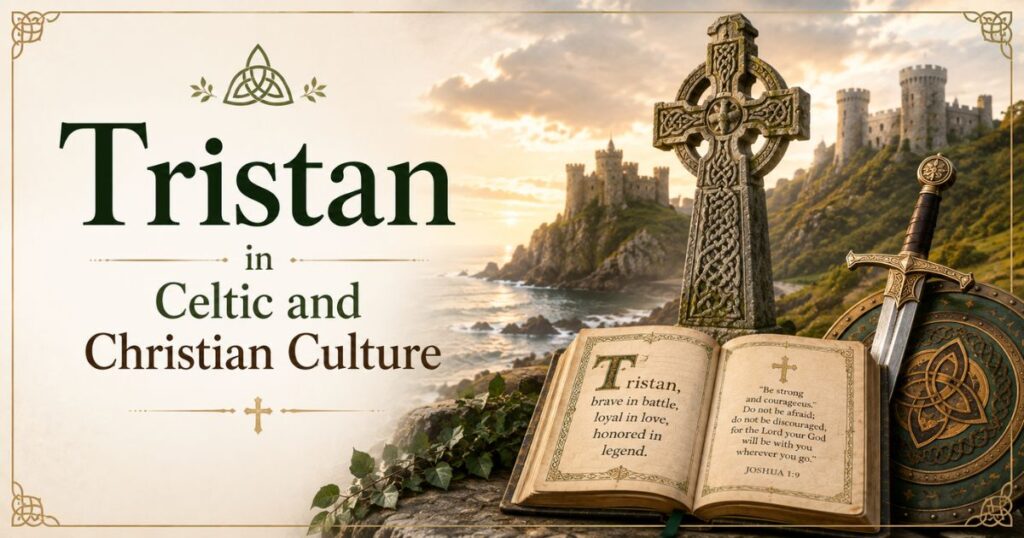
The character of Tristan can be traced back to ancient Celtic legends, where he often symbolizes bravery and tragic love. In some interpretations, “Tristan” may derive from the Latin word “tristis,” meaning “sad,” reflecting the sorrowful tales of his life and romance with Isolde.
As the stories of Tristan spread, they began to mesh with Christian narratives. Christian culture added layers of moral complexity, transforming Tristan into a figure wresting with love and duty, often seen as a precursor to the noble knights of Arthurian legends. This evolution integrated themes like honor and sacrifice, setting the stage for Tristan’s later knightly depictions.
The blend of Celtic and Christian elements created a rich tapestry that continues to inspire literature, music, and art today. Tristan’s story remains relevant, encapsulating human emotions and struggles that resonate across ages and cultures.
Biblical Names Similar to Tristan
When exploring Biblical Names Similar to Tristan, you may come across a few gems that share similar sounds or meanings. Each name carries its own unique story and significance, perfect for parents seeking deep-rooted connections. Consider these alternatives:
Jotham: This name, meaning “God is perfect,” carries a regal vibe similar to Tristan. Jotham, a king in the Bible, was noted for his strong leadership and integrity. Much like Tristan, who often embodies noble qualities, Jotham represents a blend of strength and responsibility.
Ezekiel: With a name meaning “God strengthens,” Ezekiel offers a powerful connection to divine guidance. His story emphasizes resilience, much like the struggles faced by Tristan in various tales. Both names evoke a sense of endurance, making Ezekiel a compelling choice.
Gabriel: This name means “God is my strength.” Gabriel, an archangel, serves as a messenger of important news, much like Tristan often embarks on significant quests. The parallels between their roles highlight themes of bravery and divine purpose.
Abiel: Meaning “my father is God,” Abiel connects well with the virtues found in Tristan’s stories. This name bears a sense of loyalty and divine heritage, enhancing the idea of identity and purpose, reminiscent of Tristan’s noble lineage and quests.
Daniel: This name means “God is my judge.” Daniel stands out as a figure of wisdom and bravery, known for his faith in the lion’s den. His story reminds us that integrity and trust in divine support can prevail even in dire circumstances.
Elijah: Meaning “My God is Yahweh,” Elijah is a powerful prophet known for his remarkable miracles and unwavering faith. His life reflects the strength that comes from standing for truth. Like Tristan, Elijah embodies a sense of adventure, facing challenges with fierce loyalty to his convictions.
David: One of the most beloved figures in the Bible, David means “beloved.” His journey from shepherd to king illustrates resilience and divine purpose. David’s poetic heart and complex life experiences resonate deeply, similar to Tristan’s own narrative of love and courage. Both names evoke a sense of timeless legacy, embodying strength and emotional depth.
Why Parents Choose Tristan: A Biblical Perspective
Many parents today seek deeper meaning in the names they choose for their children. Among these, the name “Tristan” stands out for its rich heritage and profound significance.
Tristan isn’t directly mentioned in the Bible, but its meaning — “tumult” or “outcry” — resonates with the emotional journeys highlighted in Biblical stories. This connection reminds parents of the strength and resilience found in faith.
The name draws inspiration from characters like Joseph, who faced trials yet emerged victorious. Parents see in Tristan a way to encourage traits such as bravery and determination in their children.
Beyond its meaning, Tristan has a timeless appeal, found in literature and art. This connection to wider cultural narratives can inspire children to embrace their own stories with confidence.
Tristan Name Meaning in Hebrew and Greek
In Hebrew, Tristan can be linked to the word “tishah,” which means “nine.” This number has deep spiritual significance in Jewish tradition, often associated with completion and introspection, reflecting a journey of self-discovery. Imagining a figure like Tristan, one might see a person on a meaningful quest, embodying the balance and introspective nature of nine.
Over in Greek, the name Tristan is often thought to be derived from “tristis,” meaning “sad.” This adds an intriguing layer to the name’s meaning. It conjures images of a melancholic hero, perhaps someone who has faced struggles but emerges stronger. The blend of these meanings inspires a narrative of resilience, where Tristan becomes not just a name, but a symbol of overcoming adversity.
Conclusion
The name Tristan carries significant meaning, particularly when viewed through the lens of the Bible and its teachings. Its roots can be traced to themes of sorrow and resilience, reflecting the complexities of life and faith.
Understanding the name Tristan offers a deeper appreciation for its biblical context, allowing individuals to connect more profoundly with its story. This connection can inspire those who bear the name to embody its virtues and reflect on their personal journey.
Frequently Asked Questions
What Does the Name Tristan Mean in the Bible?
The name Tristan does not appear directly in the Bible. However, it is often associated with the Celtic meaning of “tumult” or “outcry.” The name has roots in medieval stories, making it more literary than biblical.
Is Tristan a Biblical Name?
Tristan is not a biblical name. It originates from French and Latin sources. While it carries significant historical and literary weight, it does not have a place in biblical texts.
What is the Origin of the Name Tristan?
The name Tristan comes from the Latin “Tristinus,” meaning “sad” or “sorrowful.” It is famously connected to the legend of Tristan and Isolde, a story of tragic romance.